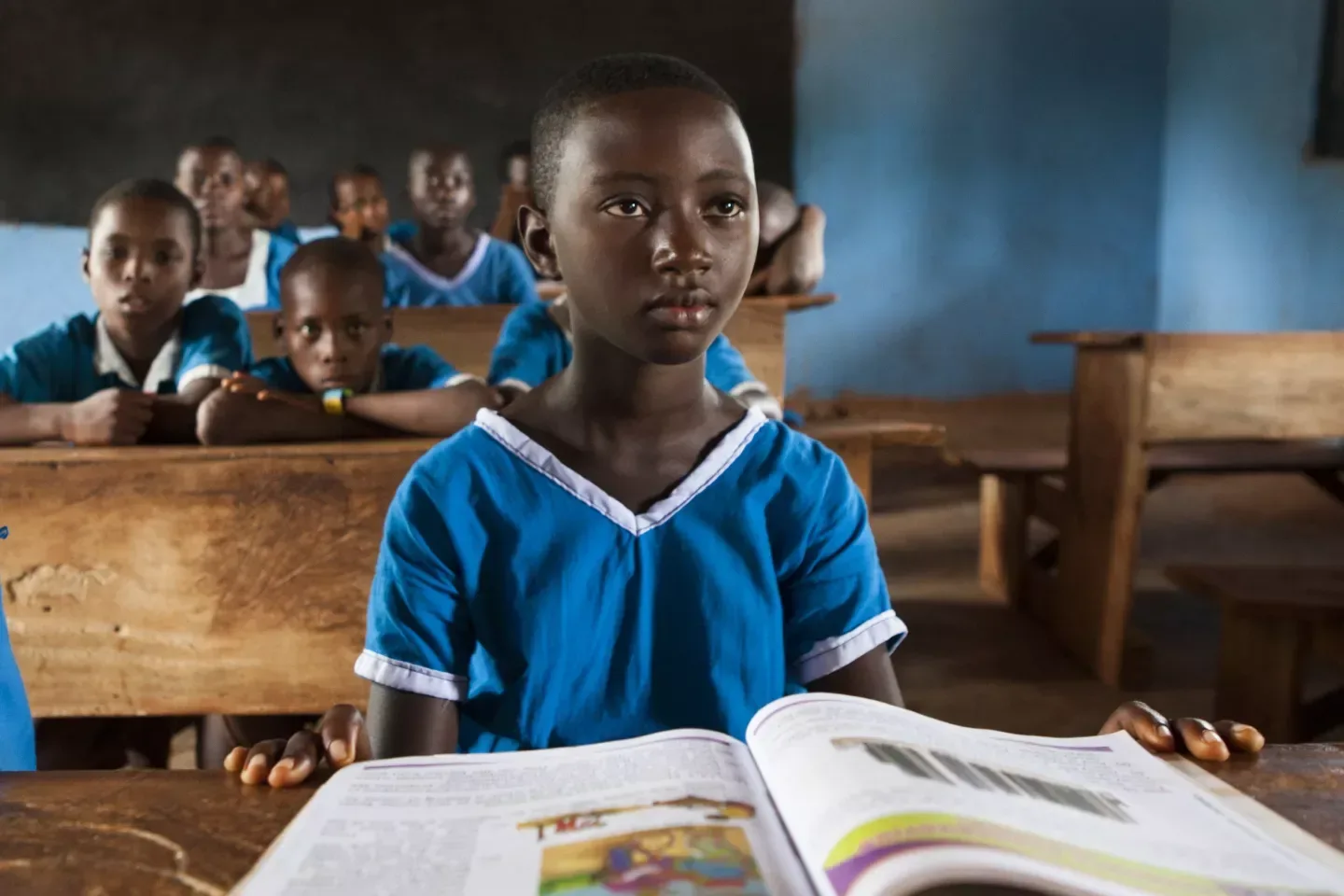
Concerns Grow Over Education Funding and Children's Reading Skills in Nigeria
Fresh concerns have emerged over education funding and children's literacy in Nigeria following reports that more than ₦267 billion in released basic education intervention funds remained unspent as of August 2026.
The report, published by Vanguard on October 12, also highlighted a worrying literacy challenge, with approximately 70 per cent of Nigerian children of primary-school age reportedly unable to read and understand a simple text.
The figures have renewed discussions about how education funds are managed, why allocated resources may not reach schools promptly, and what can be done to improve children's reading abilities across the country.
Billions in Education Funds Remain Unspent
According to the report, the Federal Government disclosed that more than ₦267 billion in released basic education intervention funds had yet to be spent by August 2026.
The report also stated that more than ₦65 billion in counterpart funding remained inaccessible to states.
Counterpart funding generally refers to contributions that state governments must provide to access certain intervention funds. When the required contributions or administrative conditions are not met, planned education projects may face delays.
The figures raise questions about budget implementation, coordination between government agencies, and the ability of states to convert available funding into improvements in classrooms and learning resources.
However, unspent funds do not automatically mean that money has been lost or misappropriated. Understanding the reasons for the delays requires examining the relevant funding arrangements, project approvals, and expenditure records.
Reading Difficulties Affect Children's Learning
The funding concerns come amid continuing challenges with foundational literacy in Nigeria.
Reading is a basic skill that enables children to understand lessons, follow instructions, and learn independently. When pupils struggle to read at an early age, they may also experience difficulties in subjects such as mathematics, science, and social studies.
A report published by Vanguard cited figures indicating that about 70 per cent of primary-school-age children could not read and understand a simple text.
The findings highlight the importance of effective early-grade teaching, access to suitable reading materials, regular assessment, and additional support for pupils who fall behind.
UNICEF has also documented significant learning challenges in Nigeria. Its September 2026 report on public financing for basic education highlights the relationship between education funding, school access, and learning outcomes.
Why Education Funding Matters
Education funding is important, but the amount allocated is only one part of the issue. Resources must also be released, accessed, spent appropriately, and monitored to ensure they produce measurable improvements.
Effective funding can support the recruitment and training of teachers, the provision of textbooks, the renovation of classrooms, and programmes designed to help children develop reading and numeracy skills.
When implementation is delayed, schools may continue operating without essential learning materials or adequate facilities, even when funding has been made available for education interventions.
Transparent reporting and stronger accountability can help governments identify bottlenecks and determine whether public spending is improving the quality of education.
What Can Be Done to Improve Children's Reading Skills?
Education experts and policymakers can consider several measures to address the literacy challenge.
1. Strengthen early-grade reading programmes
Children should receive consistent instruction in letter recognition, vocabulary, reading fluency, and comprehension from the early years of primary school.
2. Improve teacher training
Teachers need practical training and classroom support to identify reading difficulties and help pupils develop foundational literacy skills.
3. Ensure education funds reach schools
Federal and state authorities should identify why allocated funds remain unspent and address unnecessary administrative delays while maintaining proper financial controls.
4. Provide reading materials
Schools need appropriate textbooks, storybooks, libraries, and other learning resources that encourage children to practise reading.
5. Monitor learning outcomes
Regular assessments can help teachers, parents, and education authorities identify pupils who need extra support and measure whether interventions are working.
Conclusion
Nigeria's education funding and literacy challenges highlight the importance of ensuring that public resources translate into meaningful improvements in children's learning.
The reported ₦267 billion in unspent basic education intervention funds and the difficulties many children face with reading underline the need for effective planning, timely implementation, and transparent oversight.
Addressing the problem will require cooperation among federal and state governments, teachers, parents, school administrators, and development partners.
Ultimately, improving literacy is not just about getting children into classrooms. It is also about ensuring that they acquire the essential skills needed to succeed in school and participate fully in society.
Sources: Vanguard, October 12, 2026; UNICEF Nigeria, Public Finance for Basic Education in Nigeria, September 2026.
Related reading: UNICEF's report on public financing for basic education in Nigeria.

Discussion
Loading comments...